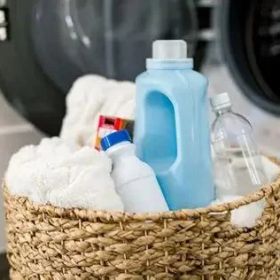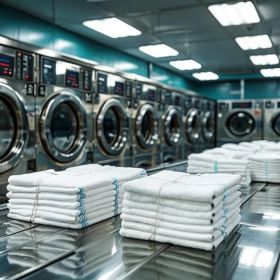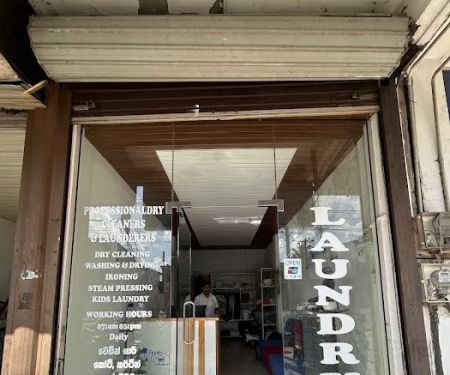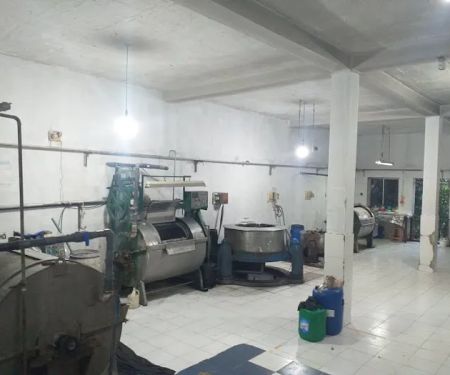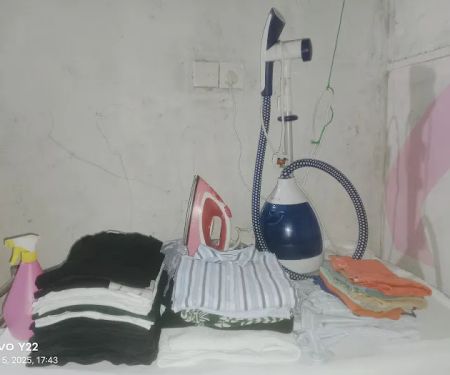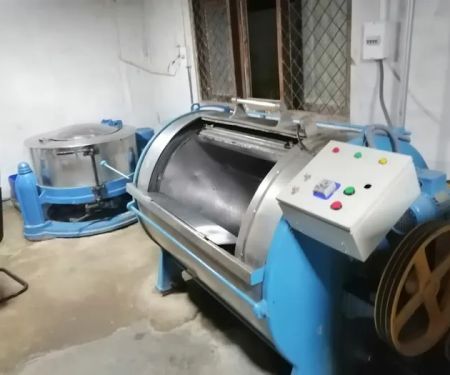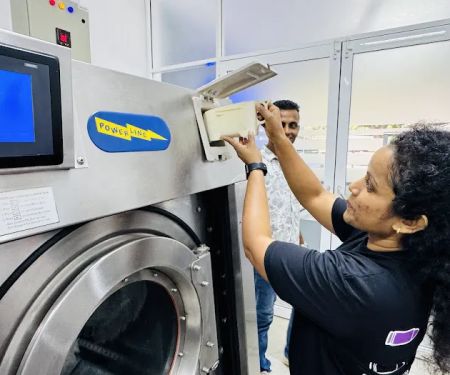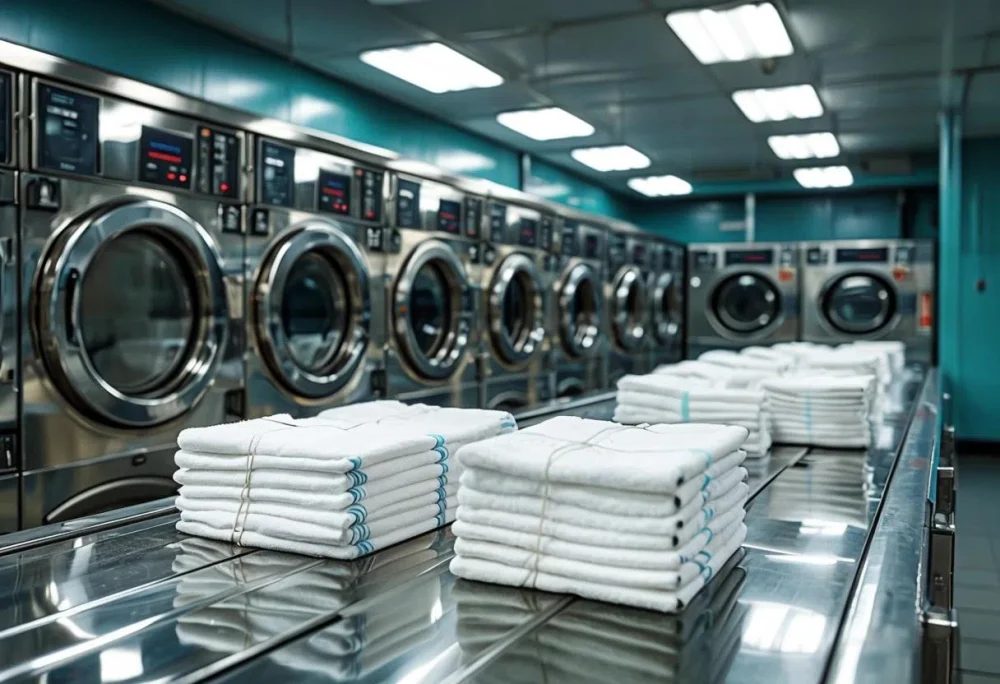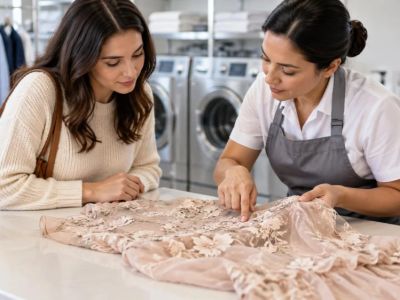
Sigiri Laundry is your complete platform for accurate and reliable information about laundry and local laundry services across Sri Lanka. Our goal is to help you easily find trustworthy solutions to keep your clothes clean, fresh, and well cared for.
Through our detailed blog, we share tips, guides, and advice on how to manage different fabrics, remove stains, and tackle everyday laundry challenges. Every article is carefully crafted to provide complete and correct information that you can use at home with confidence.
In addition, we maintain a comprehensive directory of local laundry service near me providers. Whether you are looking for a nearby laundromat, professional dry cleaners, or convenient pickup and delivery options, our platform connects you with verified and reliable services, including dry cleaners near me, making it simple to find the right solution.
At Sigiri Laundry, we combine expert knowledge, thorough research, and practical advice to support users in taking better care of their clothes. From tips for everyday laundry to locating trusted laundry service providers near you, we make the process straightforward, effective, and stress-free.
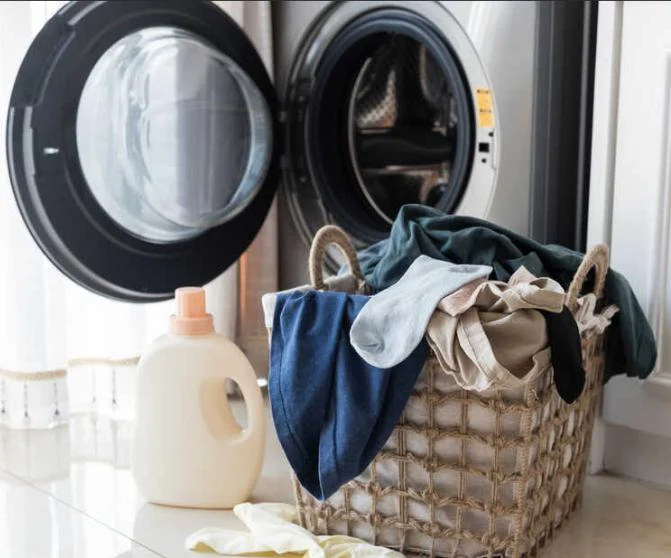
Browse the best laundry services in Sigiriya, Sri Lanka. Find laundromats, laundry shops, and professional laundry service providers with location information and service details.
Explore our Laundry Care Blog for helpful laundry tips, washing guides, stain removal advice, and fabric care information to keep your clothes clean and fresh.
Learn how to remove stubborn sweat stains with easy, effective methods that actually work. Discover practical cleaning tips, fabric care advice, and prevention strategies for sweat stains removal.Struggling with Sweat Stains? Easy Fixes That Work FastStruggling with Sweat Stains? Try These Easy Fixes That Actually WorkFabric Care Basics - Understanding what causes sweat stains and how fabrics reactCleaning Methods That Work - Practical stain removal techniques for different materialsHome Remedies and Science - Everyday ingredients that break down stubborn stainsPrevention Habits - Daily routines to stop stains before they startLong-Term Clothing Care - Keeping garments fresh, clean, and long-lastingUnderstanding Why Sweat Stains Become So StubbornMost people think sweat itself is the main problem, but the real issue is the reaction between sweat, deodorant, and fabric fibers. When aluminum-based deodorants mix with natural sweat salts, they create a yellowish buildup that bonds deeply into clothing. This is why regular washing often fails, especially on white shirts or workout gear.A friend once mentioned how her favorite white blouse started developing faint yellow rings after just a few wears. She washed it repeatedly, but the stains only became more visible. This is a common experience, especially in warmer climates or active lifestyles. Understanding the science behind sweat stains is the first step toward solving the problem effectively.Simple Methods for Effective Sweat Stains RemovalWhen it comes to sweat stains removal, the approach depends heavily on how long the stain has been sitting and the type of fabric involved. Fresh stains are significantly easier to treat than set-in ones.For newer stains, a mixture of mild detergent and cool water can often do the trick. Gently rubbing the stained area helps loosen surface residue before washing. For older stains, oxygen-based cleaners tend to work better because they break down the oxidized compounds that cause discoloration.One practical example comes from a gym trainer who shared that soaking workout shirts in diluted oxygen cleaner once a week dramatically reduced stubborn underarm staining. Small adjustments like this can make a noticeable difference in clothing longevity.Home Remedies That Actually Help Break Down StainsSome of the most effective solutions for underarm stain cleaning tips come straight from common household items. Baking soda, white vinegar, and hydrogen peroxide are often used because they target different parts of the stain structure.Baking soda works as a gentle abrasive and deodorizer. When mixed into a paste, it can lift surface residue without damaging fabric fibers. Vinegar helps neutralize odor compounds and loosen buildup. Hydrogen peroxide, on the other hand, acts as a mild bleaching agent for light-colored fabrics.A commonly shared household trick involves applying a paste of baking soda and water directly to the stain, letting it sit for 30 minutes, and then rinsing before washing. Many users report visible improvement after just one treatment.Choosing the Right Laundry Approach for Different FabricsNot all fabrics respond the same way to cleaning treatments. Cotton tends to absorb sweat deeply, making it more prone to staining, while synthetic materials may trap odor more than visible discoloration.For cotton shirts, pre-soaking is often essential. For athletic wear, enzyme-based detergents are more effective because they break down organic compounds at a molecular level. Delicate fabrics require a gentler approach to avoid weakening fibers while still targeting stains.Many laundry experts recommend separating heavily soiled items and treating them before they enter a regular wash cycle. This simple habit improves overall cleaning results significantly.Preventing Sweat Stains Before They Even StartPrevention is often more effective than treatment when it comes to clothing stain solutions. Small lifestyle changes can drastically reduce how often stains appear.Switching to aluminum-free deodorants can help minimize chemical reactions that cause yellowing. Wearing breathable fabrics like cotton or linen also reduces sweat buildup. Allowing deodorant to dry completely before putting on clothes is another simple but often overlooked step.One interesting case involved an office worker who switched to a lightweight undershirt routine during summer months. This created a barrier between skin and outer clothing, significantly reducing visible staining on professional attire.Long-Term Care Strategies for Cleaner ClothingMaintaining clothing isn’t just about stain removal—it’s about extending fabric life. Consistent care habits reduce the need for harsh treatments that can weaken fibers over time.Washing clothes soon after wearing them prevents sweat from setting into fabric layers. Avoiding high heat drying is also important because heat can permanently lock in discoloration. Air drying in shaded areas helps preserve both color and texture.Regular deep cleaning cycles using oxygen-based boosters can refresh garments that are frequently worn, especially in active lifestyles or hot climates.Real-Life Insight: Why Small Changes Make a Big DifferenceA fitness coach once shared that after years of struggling with sweat stains on training gear, the biggest improvement came not from expensive products, but from consistent habits. Pre-soaking, using the right detergent, and adjusting deodorant choices made daily laundry much more manageable.This reflects a broader truth: sweat stains are not just a cleaning problem, but a lifestyle pattern. Once those patterns change, results follow naturally.Practical Product Guidance for Better ResultsIf you're looking to upgrade your cleaning routine, choosing the right stain-removal products matters. Specialized detergents, fabric-safe oxygen boosters, and enzyme cleaners can significantly improve outcomes compared to standard washing powders.For curated solutions, fabric care tools, and cleaning essentials that actually work, you can explore options through Reliable Damage Hub, where practical home care solutions are organized for everyday use and long-term clothing protection.Understanding how to treat sweat stains properly not only saves clothing but also reduces frustration in daily routines. With the right combination of methods, prevention, and consistent care, even stubborn stains can be managed effectively.
Learn how to fix clothes smell bad after storage using fast, practical methods. Discover real-life causes, odor removal techniques, and storage habits that prevent musty smells from coming back.
Struggling with laundry washing problems? Learn how to fix common issues like poor cleaning, bad odors, and damaged clothes with practical troubleshooting tips and expert insights.
Learn what's the best way to maintain clothes quality over time with practical fabric care tips, washing methods, and storage habits that extend clothing life.What's the Best Way to Maintain Clothes Quality Over Timeunderstanding-fabric-aging-and-why-clothes-deteriorateproper-washing-methods-to-preserve-clothing-qualitydrying-and-ironing-techniques-that-protect-fibersstorage-habits-that-extend-clothing-lifespanreal-life-clothing-care-mistakes-and-how-to-avoid-themWhy Clothes Lose Quality Over Time Even When They Look NewFiguring out what’s the best way to maintain clothes quality over time starts with understanding why fabrics break down in the first place. Clothes don’t suddenly “go bad”—they slowly degrade due to friction, heat, moisture, and chemicals found in detergents. Even high-end garments can lose shape, color, or softness if they are not cared for properly.A common example is a young professional in New York who bought a premium cotton shirt for work meetings. After just a few months of frequent washing on hot cycles, the fabric became rough and faded. The issue wasn’t the shirt quality—it was the care routine.Once you understand that clothing is essentially made of delicate fibers that respond to external stress, maintaining them becomes much more intentional and effective.Washing Habits That Directly Impact Fabric LongevityOne of the most important parts of maintaining clothes quality is how they are washed. Washing machines are convenient, but aggressive cycles can weaken fibers over time. Cold water washing is generally gentler and helps preserve color intensity, especially for dark or vibrant fabrics.Turning clothes inside out before washing is another simple but powerful habit. It reduces surface friction and protects printed designs, embroidery, and outer textures from abrasion.A real-life case comes from a college student in California who noticed her favorite jeans fading unevenly. After adjusting her washing routine—switching to cold water and gentle cycles—the jeans maintained their color for much longer periods.For those who want deeper guidance or care product recommendations tailored to fabric types, platforms like Local Practice Dentistry-style lifestyle hubs for care guidance (adapted for household routines) often help users discover structured maintenance approaches and trusted product suggestions.Drying and Heat Exposure: The Silent Fabric DestroyersHeat is one of the fastest ways to damage clothing fibers. High-temperature drying can shrink cotton, weaken elastic materials, and reduce softness in wool or blended fabrics. Air drying is one of the most effective ways to extend garment life.Even sunlight exposure matters. While sunlight can naturally disinfect clothing, prolonged exposure can fade colors and dry out fibers, making them brittle over time.A household example from Texas showed that switching from machine drying to partial air drying increased the lifespan of everyday T-shirts by nearly double. The only change was removing heat stress from the routine.Ironing and Steaming Without Damaging Fabric StructureAnother key factor in how to preserve clothes is heat application during ironing or steaming. High temperatures applied directly to sensitive fabrics like silk or polyester can permanently alter texture and shine.Using a protective cloth layer or switching to a garment steamer can significantly reduce risk. Steam relaxes fibers instead of flattening them aggressively, making it a safer option for delicate materials.A fashion retail worker once shared that uniforms lasted significantly longer after switching from daily ironing to steaming twice a week. The reduction in direct heat exposure preserved stitching and texture.Storage Techniques That Keep Clothes in Long-Term Good ConditionProper storage is often overlooked when discussing fabric care guide principles. Clothes stored in damp or tightly packed spaces tend to develop odors, wrinkles, and even mold in extreme cases.Using breathable garment bags, maintaining dry environments, and rotating folded items periodically helps prevent long-term damage. Heavy sweaters should be folded rather than hung to avoid stretching.A real-life example comes from a family in Chicago who stored winter clothing in vacuum-sealed bags. While space-saving was effective, they later learned that over-compression weakened wool fibers. Adjusting to breathable storage improved garment condition significantly.Common Clothing Care Mistakes That Reduce LifespanMany people unintentionally shorten clothing lifespan by over-washing garments. Not every item needs to be washed after one use. Over-washing accelerates fading and fiber breakdown.Another mistake is mixing heavy fabrics like denim with delicate materials in the same wash cycle. This creates friction that damages softer textiles.A viral social media trend encouraged frequent deep washing of all clothing items for hygiene purposes, but many users later reported faster fabric deterioration. Balance between cleanliness and preservation is essential.Building a Long-Term Clothing Maintenance MindsetThe most effective answer to what's the best way to maintain clothes quality over time is consistency. Small habits repeated over months—gentle washing, air drying, proper storage—make a significant difference in fabric lifespan.Instead of reacting when clothes already look worn out, a proactive approach ensures garments stay in good condition from the beginning. This mindset also reduces unnecessary clothing replacement costs over time.As consumers become more conscious about sustainability, extending clothing life is not just about saving money but also reducing environmental impact.Making Smarter Choices for Long-Lasting WardrobesChoosing higher-quality fabrics at the start helps, but even budget-friendly clothes can last longer with proper care. Understanding fiber types, reading care labels, and adjusting routines accordingly all contribute to better preservation.Over time, people who adopt structured care habits notice that their wardrobes stay newer-looking, softer, and more comfortable to wear.If you want to explore more structured fabric care tips, product recommendations, and wardrobe maintenance solutions, learning from trusted lifestyle resources can help you build a more durable and cost-efficient clothing routine.